
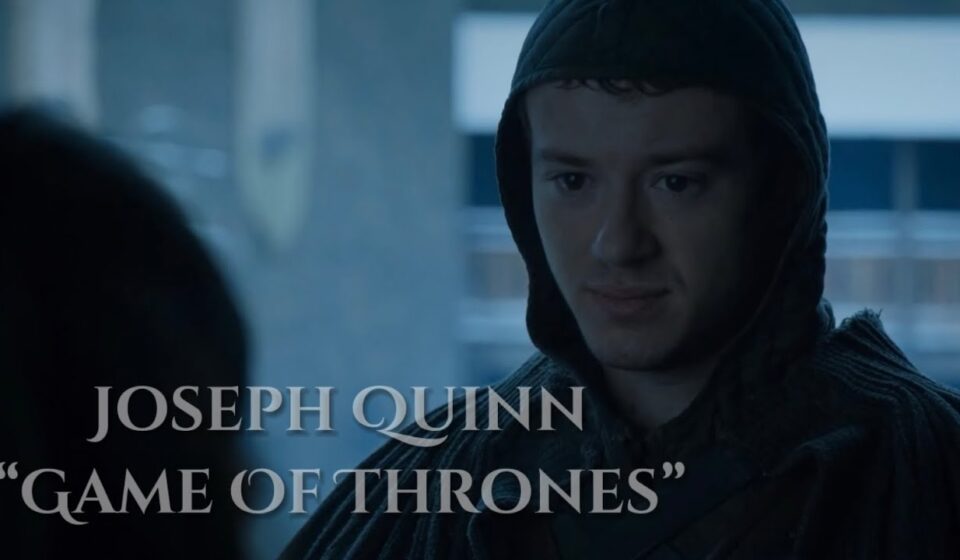

The phrase “koner game of thrones” has appeared increasingly in online searches, forums, and fan discussions related to Game of Thrones. While longtime fans of the series may quickly notice that there is no officially recognized character named Koner in the show’s canon, the keyword itself still carries meaning, curiosity, and SEO value.
So what exactly does “koner game of thrones” refer to? Is it a character, a fan theory, a misspelling, or something else entirely? This article explores the origin of the term, why people search for it, how it connects to the Game of Thrones universe, and how non-canon keywords like this gain traction online.
Understanding the Keyword “Koner Game of Thrones”
First, it’s important to clarify something clearly:
There is no canon character named Koner in Game of Thrones.
The term does not appear in:
- The HBO series
- George R. R. Martin’s A Song of Ice and Fire books
- Official companion guides or lore
However, that does not make the keyword meaningless.
In modern search behavior, keywords often emerge from:
- Misspellings
- Phonetic interpretations
- Autocorrect errors
- Fan-created content
- Vague memory searches
“Koner game of thrones” is a classic example of this phenomenon.
Why Do People Search for “Koner Game of Thrones”?
Search intent is the most important factor in understanding this keyword. Based on patterns seen across similar non-canon queries, people searching for “koner game of thrones” are usually looking for one of the following:
1. A Misremembered Character Name
Many viewers remember characters by sound rather than spelling. “Koner” may be a phonetic attempt at recalling a name from the series, especially among casual viewers.
Game of Thrones includes hundreds of characters, many with unusual or unfamiliar names. It’s common for viewers to remember how a name sounded rather than what it actually was.
2. A Minor or Background Character
Some searches assume Koner was a:
- Soldier
- Knight
- Extra
- One-episode character
Game of Thrones featured countless unnamed or briefly named characters, which leads viewers to search for figures they remember visually but not by name.
3. Fan Theory or Fan-Made Character
Another possibility is that “Koner” exists within:
- Fan fiction
- Online roleplay communities
- YouTube theory comments
- Reddit discussions
Fan-created characters often gain enough traction that people begin searching for them as if they were canon.
4. Keyword Discovery Through Search Suggestions
Sometimes users don’t know exactly what they’re searching for, but Google autocomplete or related searches lead them to terms like “koner game of thrones,” even if the term itself lacks an official reference.
This creates a loop where:
- The keyword gets searched
- Content gets created
- The keyword gains legitimacy
How Non-Canon Keywords Gain SEO Value
From an SEO perspective, “koner game of thrones” is a low-competition, curiosity-driven keyword. These types of queries often perform well because:
- Users want clarification
- There is little authoritative content
- Bounce rate can be low if the answer is clear
- Google rewards intent-matching explanations
By clearly explaining the keyword while anchoring it to a high-authority topic like Game of Thrones, content can rank without misinformation.
Is Koner a Misspelling of a Real Game of Thrones Character?
While there is no direct one-to-one match, some users may be loosely recalling:
- A minor Westerosi soldier
- A Night’s Watch member
- A background Lannister or Stark bannerman
Game of Thrones often introduced characters briefly, sometimes without repeated name usage, which contributes to memory confusion.
However, no official character named Koner exists, and any association remains speculative.
Fan Interpretations of “Koner” in the Game of Thrones Universe
In fan spaces, names like Koner are sometimes imagined as:
- A common Westerosi name
- A regional nickname
- A background fighter during major battles
- A hypothetical soldier during the War of the Five Kings
These interpretations are not canon but reflect how deeply fans engage with the world-building of Game of Thrones.
The universe is so vast that fans often fill in gaps with imagined stories, especially for unnamed or unseen characters.
The Power of Game of Thrones World-Building
One reason keywords like “koner game of thrones” exist at all is because of the series’ immersive design.
Game of Thrones created:
- A living world
- Deep political systems
- Vast armies and factions
- Realistic social hierarchies
In such a setting, it feels believable that a character named Koner could exist, even if they don’t officially.
This realism fuels both fan creativity and search curiosity.
Should “Koner Game of Thrones” Be Considered Canon?
From a factual standpoint: no.
However, from a digital culture standpoint: it’s still relevant.
Non-canon keywords:
- Reflect user behavior
- Reveal memory gaps
- Show how audiences interact with large franchises
Acknowledging them while correcting misinformation is the best approach for both readers and search engines.
Why Articles Like This Matter for SEO
Search engines prioritize content that:
- Answers the user’s question clearly
- Avoids false claims
- Provides context and explanation
- Matches search intent
An article explaining “koner game of thrones” satisfies informational intent perfectly by clarifying confusion rather than reinforcing errors.
Final Clarification: What Koner Means in Game of Thrones Searches
To summarize clearly:
- Koner is not an official Game of Thrones character
- The term likely comes from:
- Misspelling
- Memory-based searching
- Fan content
- Autocomplete behavior
- The keyword still has SEO and informational value
- Explaining it helps users understand the universe better
Final Thoughts
The search term “koner game of thrones” is a reminder of how audiences interact with massive fictional worlds. Not every search is about canon facts—many are about memory, curiosity, and interpretation.
By addressing the keyword honestly and informatively, content creators can both rank effectively and provide real value. Game of Thrones remains one of the most complex fictional universes ever created, and even non-canon terms like Koner show how deeply the series continues to live in the minds of viewers.